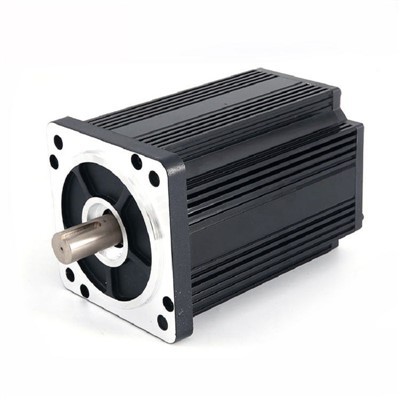
AC gear motors are essential components in a wide range of industrial and commercial applications, from conveyor systems to packaging machinery. As a supplier of AC gear motors, I understand the frustration that comes with a malfunctioning motor. In this blog post, I’ll share my expertise on how to troubleshoot an AC gear motor effectively, helping you minimize downtime and keep your operations running smoothly. AC Gear Motor
Initial Checks
Before diving into more complex diagnostic procedures, it’s crucial to perform some basic checks. First, visually inspect the motor for any obvious signs of damage, such as loose wires, burnt components, or physical damage to the housing. Loose wires can cause intermittent power issues, while burnt components may indicate overheating or electrical faults.
Next, check the power supply. Ensure that the motor is receiving the correct voltage and frequency. Most AC gear motors are designed to operate within a specific voltage range, typically 110V – 240V. Using a multimeter, measure the voltage at the motor terminals to confirm that it falls within the acceptable range. If the voltage is too high or too low, it can cause the motor to operate inefficiently or even fail completely.
Inspect the circuit breaker or fuse protecting the motor. A tripped circuit breaker or blown fuse can indicate an electrical overload or short circuit. If the circuit breaker has tripped, reset it and observe if it trips again. If the fuse is blown, replace it with a fuse of the same rating. However, keep in mind that a blown fuse is often a symptom of an underlying problem, so further investigation is necessary.
Motor Overheating
One of the most common issues with AC gear motors is overheating. Overheating can be caused by several factors, including excessive load, poor ventilation, or a malfunctioning cooling system.
To check for excessive load, review the motor’s specifications and compare them to the actual load it is carrying. If the motor is continuously operating at or near its maximum rated load, it may overheat. Consider reducing the load or upgrading to a larger motor if necessary.
Inspect the motor’s ventilation system. Make sure the cooling fins are clean and free of debris. If the motor is installed in an enclosed space, ensure that there is adequate airflow around it. You may need to install additional fans or vents to improve ventilation.
Check the motor’s cooling fan. A malfunctioning fan can prevent proper cooling, leading to overheating. If the fan is not spinning, it may be damaged or blocked. Remove any obstructions and test the fan’s operation. If the fan is still not working, it may need to be replaced.
Noise and Vibration
Unusual noise or vibration from an AC gear motor can be a sign of serious problems. Noise can be caused by issues such as worn bearings, misaligned shafts, or damaged gears.
To diagnose the source of the noise, listen carefully to the motor while it is running. High-pitched squealing or grinding noises may indicate worn bearings. In this case, the bearings should be inspected and replaced if necessary.
Vibration can be caused by misaligned shafts or unbalanced loads. Use a dial indicator to check the alignment of the motor shaft with the driven equipment. If the shaft is misaligned, it should be realigned using appropriate tools and techniques. Additionally, check for any loose or worn components that may be causing the vibration. Tighten any loose bolts and replace any worn parts.
Speed and Torque Issues
If the motor is not operating at the correct speed or is not producing enough torque, there may be a problem with the power supply, the controller, or the motor itself.
First, check the power supply to ensure that it is providing the correct voltage and frequency. If the power supply is unstable, it can cause the motor to operate at an inconsistent speed. Consider using a voltage stabilizer or a power conditioner to regulate the power supply.
Inspect the motor controller. A malfunctioning controller can cause speed and torque issues. Check the controller’s settings and make sure they are correctly configured. If the controller is programmed incorrectly, it may not be providing the appropriate signals to the motor.
If the power supply and controller are functioning correctly, the problem may be with the motor itself. Check the motor’s windings for any signs of damage or short circuits. You can use a megger to measure the insulation resistance of the windings. If the insulation resistance is low, it may indicate a problem with the windings, and the motor may need to be repaired or replaced.
Gearbox Problems
The gearbox is an important part of an AC gear motor, and problems with the gearbox can affect the motor’s performance. Common gearbox issues include gear wear, lubrication problems, and misalignment.
To check for gear wear, inspect the gears for signs of pitting, scoring, or excessive wear. Worn gears can cause noise, vibration, and reduced efficiency. If the gears are worn, they should be replaced.
Lubrication is essential for the proper operation of the gearbox. Check the lubricant level and quality. If the lubricant is low, add the appropriate type and amount of lubricant. If the lubricant is dirty or contaminated, it should be changed. Make sure to follow the manufacturer’s recommendations for lubricant type and change intervals.
Inspect the gearbox for misalignment. Misaligned gears can cause premature wear and failure. Use a dial indicator to check the alignment of the gears. If the gears are misaligned, they should be realigned using appropriate tools and techniques.
Seeking Professional Help
If you have performed all the troubleshooting steps above and are still unable to identify or fix the problem, it may be time to seek professional help. As a supplier of AC gear motors, I have a team of experienced technicians who can provide expert diagnosis and repair services. We also offer a wide range of replacement parts and can assist you in selecting the right motor for your specific application.
Conclusion
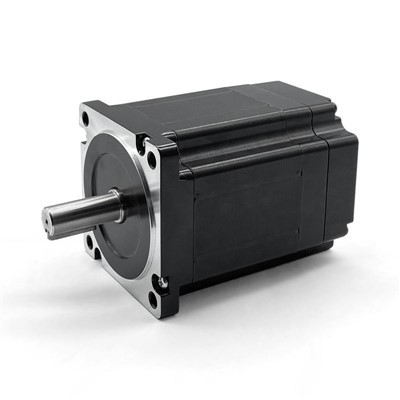
Troubleshooting an AC gear motor requires a systematic approach and a basic understanding of the motor’s components and operation. By performing initial checks, addressing common issues such as overheating, noise, and speed problems, and inspecting the gearbox, you can often identify and fix the problem yourself. However, if you are unsure or if the problem persists, don’t hesitate to contact a professional.
Switched Reluctance Motor As an AC gear motor supplier, I’m committed to helping my customers keep their motors running smoothly. If you have any questions or need assistance with troubleshooting your AC gear motor, please don’t hesitate to contact me. I’m here to provide you with the support and expertise you need to make the right decisions for your business. Whether you’re looking for a new motor, replacement parts, or technical advice, I’m here to help. Let’s work together to ensure your operations are as efficient and reliable as possible.
References
- "Electric Motors and Drives: Fundamentals, Types and Applications" by Austin Hughes and Bill Drury
- "Motor and Drive Troubleshooting" by Alan R. Miller
Zibo Auric Mechanical and Electrical Technology Co., Ltd.
As one of the leading ac gear motor manufacturers and suppliers in China, we warmly welcome you to buy advanced ac gear motor for sale here from our factory. All customized motors are with high quality and competitive price.
Address: B419, High-tech Entrepreneurship Park, High-tech Zone, Zibo City
E-mail: cui@auricmotor.com
WebSite: https://www.auricmotor.com/
