If you’ve ever stood on a production floor watching a line stop cold because a label misaligned, a data field failed to populate, or an operator had to manually adjust a machine’s settings mid-run, you know how frustrating— and costly— that problem can be. As a top labeling machine supplier, I hear this complaint weekly from clients: their high-end labeling equipment works great in a vacuum, but when it comes to talking to the software that drives their inventory, compliance, and quality systems, it feels like two separate worlds that can’t understand each other. The question I’m asked most often? “Can a top labeling machine actually be integrated with labeling software, or am I wasting my money trying to make these two work together?” Top Labeling Machine
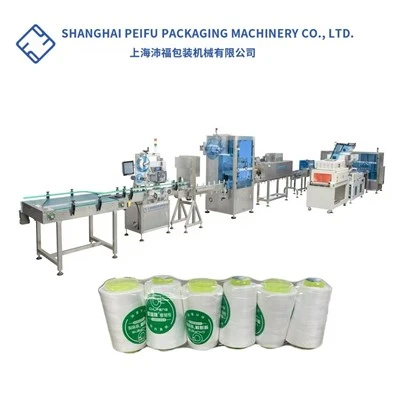
The short answer is yes. The long answer is that integration isn’t just a “nice-to-have” anymore—it’s a make-or-break factor for modern packaging lines, and not all integrations are built equally. Over the past 12 years in this business, I’ve seen everything from seamless, real-time connections that cut error rates by 90% to hacky workarounds that cause more downtime than they solve. Today, I want to break down what integration actually means, why it matters for your operations, and how a top labeling machine can and should work with labeling software to eliminate the headaches most teams face.
First, let’s get clear on what we’re talking about when we say “labeling machine” vs. “labeling software.” For most small to mid-sized operations, a top labeling machine is a physical piece of equipment: a precision applicator that applies labels to bottles, boxes, cans, or pallets. It’s built to handle speed, accuracy, and durability— stuff like high-speed rotary systems for beverage lines, front-and-back applicators for pharmaceuticals, or wrap-around machines for e-commerce packages. That machine relies on a controller, often a small, on-board device that adjusts speed, alignment, and trigger points for label application.
Labeling software, on the other hand, is the digital layer: it’s the program that stores label designs, product data, expiration dates, lot numbers, GS1 barcodes, and compliance information (like FDA, GHS, or EU food safety labels). For many teams, this software is also connected to their ERP, WMS, or quality management system (QMS) to track inventory, reduce waste, and meet regulatory reporting requirements. Historically, these two tools operated separately: the machine ran based on pre-programmed settings, and the software generated label data that was either printed in a separate room and brought to the line, or manually typed into the machine’s controller by an operator.
That separation is where the problems start. Let’s take a pharmaceutical client I worked with last year, a mid-sized generic drug maker that had a line stop 14 times in a single month. The root cause? A new batch of 500mg tablets had a lot number that the labeling software had updated, but the operator responsible for inputting that number into the machine’s controller was on a 10-minute break. When the line restarted, it applied the old lot number to 2,000 bottles, leading to a full recall that cost $120,000 in fines, rework, and lost customer trust. That’s not a machine problem— that’s a silo problem. A top labeling machine integrated with the company’s labeling software would have pulled the correct lot number automatically, no manual input required, and the error would never have happened.
But here’s the catch: not all integrations are created equal. I’ve had clients come to me after trying to integrate a cheap off-the-shelf labeling machine with their existing software, only to spend months fixing misaligned triggers, missing data fields, and compatibility issues that their machine’s manufacturer never mentioned. A top labeling machine— the kind we build and supply— is designed with integration in mind, not as an afterthought. Let’s break down the key features that make that possible.
First, open communication protocols. In the industrial automation world, protocols are the languages machines and software use to talk to each other. Many low-end labeling machines use proprietary protocols that only work with the manufacturer’s own software, which means if you want to switch your labeling software down the line, you’re stuck replacing your entire machine. Top labeling machines, on the other hand, support standard, universal protocols like Ethernet/IP, Profinet, Modbus TCP, and OPC UA. These aren’t random buzzwords— they’re the same standards your ERP, WMS, and QMS use, so connecting your machine to your labeling software is as simple as plugging a single Ethernet cable into both systems. No custom cables, no coding, no third-party middlemen.
Second, real-time data sync. The best integrations don’t just send a batch of data from software to machine once— they sync data continuously. Let’s say your line is running 1,200 bottles an hour, and a product change is scheduled for the next batch. An integrated machine will get the new product’s label design, barcode, and regulatory requirements the second the software updates it, adjust its speed and alignment automatically, and switch over without stopping the line. For a client in the craft beer industry, that meant going from 10 minutes of downtime per product change to less than 60 seconds, boosting their annual output by 18,000 cases. Non-integrated machines require operators to manually input new settings, which takes time and introduces human error.
Third, built-in error checking. A top labeling machine can’t just receive data from software— it has to verify that data before applying a label. For example, if the labeling software sends a UPC code, the machine will scan that code mid-run, confirm it matches the product, and flag it if there’s a mismatch. If the software misses a required lot number, the machine will hold the product and send an alert to the operator, instead of applying an incorrect label. That’s a two-way integration, not just a one-way data dump, and it cuts down on mislabeled products, compliance fines, and waste.
I know what some of you are thinking: “This sounds great, but integrating my existing system would be a nightmare, right?” Not if you’re working with a top labeling machine supplier that offers turnkey integration support. Over the years, I’ve seen clients assume they need to hire a third-party automation engineer to connect their machine and software, but that’s rarely the case. The machines we supply come with pre-built integration modules for the most common labeling software platforms: Loftware, NiceLabel, BarTender, and SATO, to name a few. Our team will work with your IT or operations team to test the connection on your line before installation, so you know exactly how it will work, no guesswork required.
That’s not to say integration is always smooth. I worked with a food processing client last year that used a custom in-house labeling software, not one of the standard platforms we support. We had to build a custom API connector, but because our machine uses open protocols, the process only took three days, and the total cost was less than a tenth of what they were quoted by a third-party automation firm. The key is that a top labeling machine gives you the flexibility to integrate with whatever software you already use, instead of forcing you to switch tools to make it work.
Another common misconception: integration only matters for large, high-speed operations. That’s simply not true. I work with small e-commerce fulfillment centers that use low-volume labeling machines, and integration has saved them thousands a month in rework and shipping errors. One client, a specialty candle maker, was spending $2,500 a month on returns because of incorrect shipping labels. Integrating their labeling software with their top labeling machine cut those returns by 92%, all because the machine pulled the correct shipping address and barcode directly from their e-commerce platform, no manual typing required. It doesn’t matter if you’re running 100 units an hour or 10,000— integration reduces error, saves time, and cuts costs.
So why do so many teams still work with siloed machines and software? It’s often a matter of short-term thinking. When you’re budgeting for new equipment, it’s easy to only look at the upfront cost of the machine, not the long-term cost of downtime, errors, and rework. A top labeling machine with integration capabilities might cost 15% more upfront than a non-integrated model, but over three years, that difference is erased by the savings from fewer stops, fewer errors, and less manual labor. A client in the cosmetics industry did a full cost analysis last year: they paid $8,000 more for an integrated machine, but saved $45,000 in rework, recall costs, and overtime for operators in the first year alone.
I also want to address the elephant in the room: security. When you’re connecting a physical machine to your digital systems, there are concerns about data breaches, right? Top labeling machines are built with industrial security in mind, not consumer-grade hardware. They have encrypted connections, role-based access controls, and automatic firmware updates, so your label data— which includes product information, lot numbers, and even customer data for direct-to-consumer shipping— stays safe. I’ve seen too many small teams cut corners on security, leading to label counterfeiting or data leaks that cost them their business. A top labeling machine’s integration is designed to be secure by default, not an afterthought.
Let’s circle back to that original question: Can a top labeling machine be integrated with labeling software? The answer is not just “yes”— it’s “it’s not just possible, it’s the standard that separates high-performing lines from those that struggle with downtime and errors.” The biggest mistake I see clients make is buying a labeling machine that only works in isolation, then trying to force it to connect to their software later, when they have to fix a costly error or scale their operations. By the time you’re facing a recall or a line shutdown, it’s too late.
If you’re reading this and nodding along, thinking about the errors, downtime, and wasted time on your line, the next step is simple: don’t wait until you have a problem to upgrade. A top labeling machine supplier can walk you through the integration options for your specific setup, test how your current labeling software will work with our machines, and build a solution that fits your line, your products, and your budget. We don’t just sell equipment— we design systems that work together, so you can stop worrying about whether your machine and software will talk to each other, and start focusing on growing your business.

At the end of the day, labeling is one of the most critical steps in your supply chain: a mislabeled product can lead to a recall, a lost customer, or regulatory fines. When your machine and software work in sync, you’re not just reducing errors— you’re building a more reliable, efficient operation that can keep up with demand. If you’re ready to stop dealing with siloed tools and start seeing the benefits of integrated labeling, we’re here to help. Reach out to our team to discuss your specific needs, test the integration options for your line, and get a clear, transparent quote that fits your budget.
Sewing Thread Packaging Machine References:
- International Society of Automation. (2022). Industrial Automation Communication Protocols: A Practical Guide.
- Labeling Systems Association. (2023). The Cost of Siloed Labeling Operations: An Industry Analysis.
- Food and Drug Administration. (2021). Drug Labeling Compliance Guidelines for Automated Packaging Systems.
- NiceLabel. (2022). Integration Best Practices for Labeling Software and Industrial Equipment.
- Industrial Internet Consortium. (2023). Security Frameworks for Industrial Edge Devices.
Shanghai Peifu Packaging Machinery Co., Ltd.
We are one of the leading manufacturers and suppliers of top labeling machine in China. With a professional production team, we are able to meet the needs of the majority of our customers. Please rest assured to buy customized top labeling machine from our factory.
Address: No.1111, Xinlin Road, Fengxian District, Shanghai, China
E-mail: cathychensupplier@gmail.com
WebSite: https://www.peifupackaging.com/
