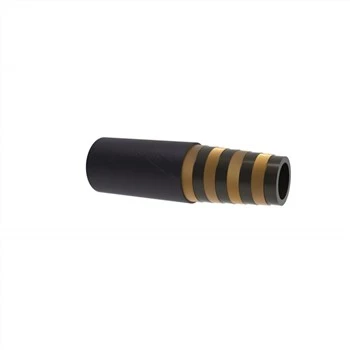
Hey there! I’m a supplier of textile braid hydraulic hoses, and I’ve seen my fair share of problems with these hoses over the years. One of the most common issues we deal with is hose leakage. It can be a real headache for everyone involved – from the end-users who rely on these hoses for their equipment to us suppliers who have to figure out what went wrong. So, I thought I’d take some time to break down what causes leakage in a textile braid hydraulic hose. Textile Braid Hydraulic Hose

1. Wear and Tear
Let’s start with the most obvious one: wear and tear. Textile braid hydraulic hoses are constantly under pressure and in motion. Every time the equipment they’re attached to operates, the hoses bend, twist, and flex. Over time, this repeated movement can cause the outer textile braid to fray. Once the braid is damaged, it can’t provide the necessary support to the inner tube.
The inner tube is where the hydraulic fluid flows. If the outer braid is compromised, the inner tube can start to bulge or even burst. This is a major cause of leakage. You’ll often see this kind of wear in hoses that are used in high – stress applications, like construction equipment or industrial machinery.
Another aspect of wear and tear is abrasion. Hoses can rub against other parts of the equipment, sharp edges, or even the ground. This abrasion can wear down the outer layer of the hose, exposing the inner tube. And once the inner tube is exposed, it’s only a matter of time before the hydraulic fluid starts to leak.
2. Incorrect Installation
You’d be surprised how often incorrect installation leads to hose leakage. When installing a textile braid hydraulic hose, it’s crucial to follow the manufacturer’s instructions. For example, if the hose is not properly clamped at the fittings, it can come loose. A loose connection means that hydraulic fluid can seep out at the joint.
Also, the hose needs to be routed correctly. If it’s bent too sharply, it can cause internal damage to the tube. The sharp bend restricts the flow of hydraulic fluid, which can increase the pressure inside the hose. Eventually, this increased pressure can cause the tube to rupture and leak.
And let’s not forget about the torque. When tightening the fittings, you need to use the right amount of torque. Too little torque, and the connection won’t be secure. Too much torque, and you can damage the fittings or the hose itself.
3. Chemical Compatibility
Hydraulic fluids come in different types, and each type has its own chemical properties. Textile braid hydraulic hoses are designed to be compatible with specific types of hydraulic fluids. If you use a fluid that’s not compatible with the hose material, it can cause problems.
The hydraulic fluid can react with the inner tube material, causing it to swell, soften, or degrade. When the inner tube is damaged, it loses its integrity, and leakage can occur. For example, some synthetic hydraulic fluids are more aggressive than mineral – based fluids. If you use a hose that’s designed for mineral – based fluids with a synthetic fluid, you’re likely to run into trouble.
4. Temperature Extremes
Textile braid hydraulic hoses are sensitive to temperature. In extremely cold conditions, the hose material can become brittle. The cold makes the rubber or other materials in the inner tube and outer braid less flexible. As a result, the hose is more likely to crack when it’s bent or flexed. Once a crack forms, hydraulic fluid can leak out.
On the other hand, in high – temperature environments, the hose material can start to break down. The heat can cause the rubber to melt or degrade, weakening the inner tube. This can lead to bulging or bursting of the tube, resulting in leakage.
5. Manufacturing Defects
Even though we try our best to produce high – quality hoses, manufacturing defects can still happen. Sometimes, there might be a problem with the materials used in the hose. For example, the inner tube might have a thin spot or an air bubble. These defects can weaken the tube and make it more prone to leakage.
The braiding process can also have issues. If the braid is not evenly woven, it can create weak spots in the hose. These weak spots can’t withstand the pressure of the hydraulic fluid, leading to leakage.
6. Over – Pressurization
Hydraulic systems are designed to operate within a certain pressure range. If the pressure in the system exceeds this range, it can put a lot of stress on the textile braid hydraulic hose. The inner tube has to withstand this extra pressure, and if it’s not strong enough, it can rupture.
Over – pressurization can happen due to a malfunction in the hydraulic system, such as a faulty pressure relief valve. It can also occur if the system is used in a way that wasn’t intended, like trying to lift a heavier load than the system is designed for.
How to Prevent Leakage
Now that we’ve talked about what causes leakage, let’s touch on how to prevent it. First, make sure you’re using the right hose for the job. Consider the type of hydraulic fluid, the operating pressure, and the temperature range.
Proper installation is key. Follow the manufacturer’s instructions carefully, and use the right tools and techniques. Regular maintenance is also important. Inspect the hoses regularly for signs of wear, damage, or leakage. Replace any hoses that show signs of problems.
If you’re experiencing leakage issues, don’t hesitate to reach out to us. We’re here to help you find the right solution. Whether it’s choosing the right hose, providing installation advice, or troubleshooting a problem, we’ve got you covered.
We’ve been in the textile braid hydraulic hose business for a long time, and we know how important it is to have reliable hoses. So, if you’re in the market for high – quality hoses, we’d love to have a chat with you. Let’s work together to keep your hydraulic systems running smoothly and leak – free.
References
- Handbook of Hydraulic Power Systems
- Textile Reinforcement in Rubber Products: Design and Performance
Suction Hose So, if you’re interested in purchasing textile braid hydraulic hoses or need more information, just get in touch. We’re ready to assist you with all your hydraulic hose needs.
Hebei Qianli Rubber Products Co., Ltd.
As one of the most professional textile braid hydraulic hose manufacturers and suppliers in China, we have world-leading production equipment and strong manufacturing capabilities. Please feel free to buy bulk durable textile braid hydraulic hose made in China here from our factory.
Address: West industrial Zone, Jing County, Hengshui City, Hebei Province, China.
E-mail: manager@hebeiqianli.com
WebSite: https://www.qianlirubber.com/
