Hey there! I’m a supplier of hardeners, and I know one common headache for folks using our products is dealing with foaming during the mixing process. Foaming can be a real pain in the neck, as it messes up the quality of the final product and can even cause some serious delays. But don’t worry! I’ve got some tips and tricks up my sleeve to help you prevent hardener from foaming when you’re mixing it. Hardener
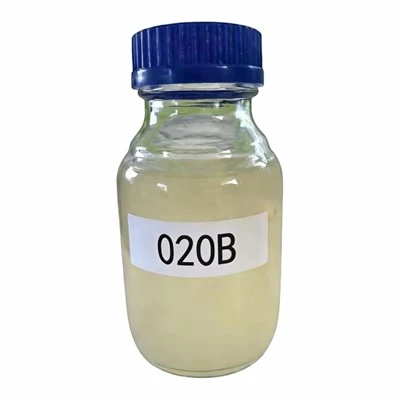
Let’s first dig into why hardener foams in the first place. There are a few common reasons for this. One biggie is air entrapment. When you’re mixing the hardener, particularly if you’re doing it vigorously or using the wrong equipment, air can get trapped in the mix. This trapped air forms bubbles, leading to foaming. The speed at which you mix is crucial here. Mixing too fast creates a whirlpool effect that sucks in air.
Another factor could be the temperature. If the hardener or the material it’s being mixed with is too hot or too cold, it can cause foaming. Temperature affects the viscosity of the hardener; extremes can make it flow and mix differently, making it more prone to trapping air.
The type of container you use also plays a role. If it’s not the right size or shape, it can promote foaming. For example, a container that’s too narrow can cause the mix to splash and trap air as you’re stirring.
Now, let’s talk about some practical steps you can take to prevent this foaming problem.
First off, choose the right mixing equipment. A paddle mixer is a great option. It’s designed to gently blend the hardener and the other components without creating a lot of turbulence. When using it, go slow. Start at a low speed and gradually increase if needed. This way, you reduce the chances of air getting trapped in the mix. And don’t forget to scrape the sides and bottom of the container as you mix. This helps to ensure that all the ingredients are properly incorporated without creating a lot of unnecessary air bubbles.
Temperature control is super important. Make sure the hardener and the other materials are at the recommended temperature before you start mixing. You can use a thermometer to check. If it’s too cold, you can warm it up gently. But be careful not to overheat it, as that can cause other issues like a shorter working time.
The container matters. Pick a wide, shallow container. This gives the mix more room to spread out and reduces splashing. Also, fill the container no more than two-thirds full. This gives the air a chance to escape as you’re mixing.
You can also try pre – degassing the hardener. This is a process where you use a vacuum chamber to remove any dissolved air from the hardener before you start mixing. It’s a bit of an investment, but it can really pay off if foaming is a persistent problem for you.
Another trick is to add anti – foam agents. These are substances that reduce the surface tension of the mix, making it harder for bubbles to form and easier for them to break up. You can find anti – foam agents specifically designed for the type of hardener you’re using. Just follow the manufacturer’s instructions on how much to add.
Let’s talk about some best practices for mixing. Before you start, clean and dry your mixing equipment thoroughly. Any moisture or dirt can cause problems. And make sure you’re working in a clean environment. Dust particles can also contribute to foaming.
Take your time when you’re measuring the hardener and the other components. Inaccurate measurements can throw off the chemical reaction and lead to foaming. Use proper measuring tools like graduated cylinders or scales.
Once you’ve mixed the hardener, let it sit for a few minutes. This gives the air bubbles a chance to rise to the surface and pop. If there are still some bubbles left, you can use a heat gun on a low setting to gently heat the surface. This helps to break up the remaining bubbles.
If you’re new to using hardeners, start with small batches. This way, you can learn the process and make adjustments as needed without wasting a lot of material.
As a hardener supplier, I know how important it is to get the mixing right. That’s why we’re always here to offer support and advice. Different applications may require different approaches, and we’ve got the experience to help you figure out what works best for you.
If you’re facing challenges with foaming or have any other questions about our hardeners, don’t hesitate to reach out. We can also work with you to customize the hardener to better suit your specific needs. Whether you’re in the automotive industry, construction, or any other field that uses hardeners, we’ve got solutions for you.
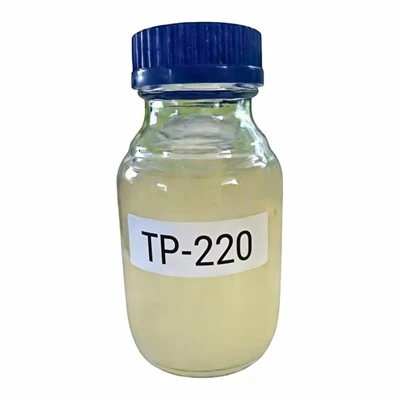
If you’re looking for a reliable hardener supplier and want to start a conversation about your requirements, just drop us a line. We’re eager to discuss how our products can fit into your processes and help you achieve the best results without the hassle of foaming during mixing.
Grafted CR Adhesive References:
- "Polymer Processing and Technology" – A comprehensive guide on handling polymer – based products like hardeners.
- Industry research papers on adhesives and hardeners from leading scientific journals.
Guangdong Yrbest High Polymer Technology Co., Ltd.
Guangdong Yrbest High Polymer Technology Co., Ltd. is one of the most professional hardener manufacturers and suppliers in China, featured by quality products and good price. Please rest assured to buy bulk advanced hardener from our factory. Contact us for quotation and free sample.
Address: Room 1701, No. 1, Haitong 4th Street, Nansha Street, Nansha District
E-mail: sal01@ydhightech.com
WebSite: https://www.ydhightech.com/
