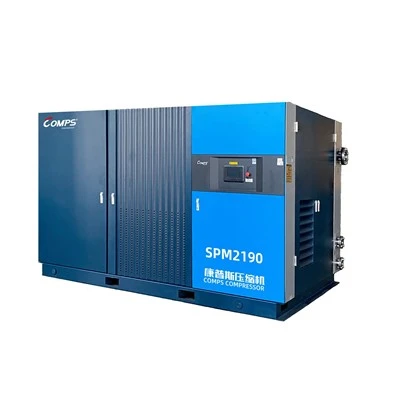
As a seasoned supplier of diesel air compressors, I’ve witnessed firsthand the critical role these machines play in a variety of industries, from construction and mining to agriculture and manufacturing. A stable mobile diesel air compressor is not just a piece of equipment; it’s a reliable partner that ensures seamless operations and maximizes productivity. In this blog, I’ll share some insights and practical tips on how to ensure the stability of a mobile diesel air compressor. Diesel Air Compressor
Understanding the Basics of Mobile Diesel Air Compressors
Before delving into the stability aspects, it’s essential to understand the fundamental components and working principles of a mobile diesel air compressor. A typical mobile diesel air compressor consists of a diesel engine, an air compressor pump, a control system, and a cooling system. The diesel engine provides the power to drive the air compressor pump, which compresses the air and stores it in a tank. The control system regulates the operation of the compressor, while the cooling system prevents overheating.
The stability of a mobile diesel air compressor depends on several factors, including the quality of the components, the design of the system, and the operating conditions. A well-designed and properly maintained compressor will operate more stably and efficiently, reducing the risk of breakdowns and downtime.
Selecting the Right Compressor for Your Needs
The first step in ensuring the stability of a mobile diesel air compressor is to select the right one for your specific needs. Consider the following factors when choosing a compressor:
- Air Demand: Determine the required air flow rate (CFM) and pressure (PSI) for your applications. Choose a compressor that can meet or exceed these requirements.
- Duty Cycle: Consider the expected duty cycle of the compressor. If you need to run the compressor continuously for long periods, choose a model with a high-duty cycle rating.
- Portability: If you need to move the compressor frequently, choose a model with a compact design and easy-to-use mobility features, such as wheels or a trailer.
- Fuel Efficiency: Look for a compressor with a fuel-efficient diesel engine to reduce operating costs and minimize environmental impact.
- Reliability and Durability: Choose a compressor from a reputable manufacturer with a proven track record of reliability and durability. Look for features such as heavy-duty construction, high-quality components, and advanced control systems.
Proper Installation and Setup
Once you’ve selected the right compressor for your needs, it’s crucial to install and set it up correctly. Improper installation can lead to instability, poor performance, and even safety hazards. Follow these guidelines for proper installation and setup:
- Location: Choose a well-ventilated, level, and dry location for the compressor. Avoid installing the compressor in areas prone to flooding, dust, or extreme temperatures.
- Foundation: Provide a solid and level foundation for the compressor to prevent vibration and movement. Use concrete pads or steel frames as recommended by the manufacturer.
- Electrical and Fuel Connections: Ensure that all electrical and fuel connections are properly installed and tightened. Use the correct gauge of wiring and follow the manufacturer’s instructions for grounding and bonding.
- Air Intake and Exhaust: Install the air intake and exhaust systems according to the manufacturer’s specifications. Ensure that the air intake is located away from sources of dust, debris, and exhaust fumes.
- Control System Setup: Set up the control system according to the manufacturer’s instructions. Calibrate the pressure switches, temperature sensors, and other control devices to ensure accurate and reliable operation.
Regular Maintenance and Inspection
Regular maintenance and inspection are essential for ensuring the stability and longevity of a mobile diesel air compressor. Follow these maintenance tips to keep your compressor in top condition:
- Oil Changes: Change the engine oil and oil filter at regular intervals as recommended by the manufacturer. Use high-quality oil that meets the specifications of the engine.
- Air Filter Replacement: Replace the air filter regularly to prevent dust and debris from entering the engine and compressor. A dirty air filter can reduce engine performance and increase fuel consumption.
- Fuel Filter Replacement: Replace the fuel filter at regular intervals to prevent contaminants from entering the engine. A clogged fuel filter can cause poor engine performance and even engine damage.
- Cooling System Maintenance: Check the coolant level and condition regularly. Replace the coolant as recommended by the manufacturer. Clean the radiator and cooling fins to ensure proper heat dissipation.
- Belt and Hose Inspection: Inspect the belts and hoses for signs of wear, cracking, or damage. Replace any worn or damaged belts and hoses immediately.
- Lubrication: Lubricate all moving parts, such as bearings, pistons, and valves, at regular intervals as recommended by the manufacturer. Use high-quality lubricants that meet the specifications of the compressor.
- Inspection of Electrical Components: Inspect the electrical components, such as switches, relays, and wiring, for signs of wear, damage, or corrosion. Replace any faulty electrical components immediately.
Operator Training and Safety
Proper operator training and safety are crucial for ensuring the stability and safe operation of a mobile diesel air compressor. Provide comprehensive training to all operators on the following topics:
- Compressor Operation: Train operators on how to start, stop, and operate the compressor safely and efficiently. Teach them how to read and interpret the control panel and how to adjust the pressure and flow settings.
- Safety Procedures: Train operators on the safety procedures and regulations related to the use of diesel air compressors. Teach them how to prevent fires, explosions, and other safety hazards.
- Maintenance and Inspection: Train operators on the importance of regular maintenance and inspection. Teach them how to perform basic maintenance tasks, such as oil changes, air filter replacement, and fuel filter replacement.
- Emergency Procedures: Train operators on the emergency procedures to follow in case of a breakdown, fire, or other emergency situation. Teach them how to shut down the compressor safely and how to contact the appropriate authorities.
Monitoring and Troubleshooting
Regular monitoring and troubleshooting are essential for detecting and addressing any potential issues before they become major problems. Use the following techniques for monitoring and troubleshooting your mobile diesel air compressor:
- Performance Monitoring: Monitor the performance of the compressor regularly by checking the air pressure, flow rate, and temperature. Compare the readings with the manufacturer’s specifications to ensure that the compressor is operating within the normal range.
- Vibration Analysis: Use vibration analysis tools to detect any abnormal vibrations in the compressor. Excessive vibration can indicate a problem with the engine, compressor pump, or other components.
- Oil Analysis: Perform regular oil analysis to monitor the condition of the engine oil. Oil analysis can detect the presence of contaminants, wear particles, and other signs of engine problems.
- Troubleshooting Guides: Refer to the manufacturer’s troubleshooting guides to diagnose and resolve any problems with the compressor. The troubleshooting guides provide step-by-step instructions on how to identify and fix common problems.
Conclusion
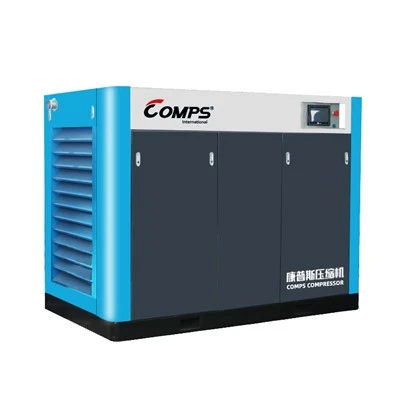
Ensuring the stability of a mobile diesel air compressor requires a combination of proper selection, installation, maintenance, operator training, and monitoring. By following the tips and guidelines outlined in this blog, you can maximize the reliability, efficiency, and longevity of your compressor, reducing the risk of breakdowns and downtime.
Diesel Air Compressor If you’re in the market for a high-quality mobile diesel air compressor or need help with maintenance and troubleshooting, don’t hesitate to contact us. Our team of experts is here to provide you with the best solutions and support for your specific needs. Let’s work together to ensure the stability and success of your operations.
References
- Manufacturer’s manuals and technical documents.
- Industry standards and guidelines for diesel air compressors.
- Technical publications and research papers on diesel air compressor technology and maintenance.
Comps Compressor (Shijiazhuang) Co., Ltd.
As one of the most professional diesel air compressor manufacturers and suppliers in China, we’re featured by quality products and good price. Please rest assured to buy customized diesel air compressor made in China here from our factory. Also, pricelist is available.
Address: No.172, Nanche Road, Shijiazhuang Equipment Manufacturing Industrial Park, Luancheng District, Shijiazhuang City, Hebei Province
E-mail: kpswmb@kangpusi.com
WebSite: https://www.comps-compressor.com/
