As a supplier of Transformer Oil BDV Testers, I’ve encountered numerous inquiries from clients regarding the device’s compatibility with transformers using different insulation materials. This blog post aims to delve into this topic comprehensively, providing scientific and practical insights to help you understand the capabilities of our Transformer Oil BDV Testers in measuring the Breakdown Voltage (BDV) of oil in transformers with various insulation materials. Transformer Oil BDV Tester

Understanding Transformer Oil BDV and Its Significance
Before we explore the compatibility of our testers with different insulation materials, it’s essential to understand what BDV is and why it matters. The Breakdown Voltage of transformer oil is the minimum voltage at which the oil loses its insulating properties and allows an electrical arc to pass through it. This parameter is a crucial indicator of the oil’s quality and its ability to insulate the transformer windings effectively. A low BDV value may suggest the presence of contaminants, moisture, or degradation products in the oil, which can compromise the transformer’s performance and lifespan.
How Transformer Oil BDV Testers Work
Our Transformer Oil BDV Testers operate on a simple yet effective principle. The tester applies a gradually increasing voltage across two electrodes immersed in the transformer oil sample. As the voltage rises, the electric field between the electrodes intensifies. When the voltage reaches the BDV of the oil, an electrical breakdown occurs, and a current flows through the oil. The tester records the voltage at which this breakdown occurs, providing a direct measurement of the oil’s BDV.
Compatibility with Different Insulation Materials
Transformers can use a variety of insulation materials, including mineral oil, synthetic oil, and natural esters. Each type of insulation material has its unique properties, which can potentially affect the BDV measurement. Let’s examine how our Transformer Oil BDV Testers perform with different insulation materials:
Mineral Oil
Mineral oil is the most commonly used insulation material in transformers due to its excellent dielectric properties, thermal stability, and low cost. Our Transformer Oil BDV Testers are specifically designed to accurately measure the BDV of mineral oil. The testers are calibrated to account for the typical dielectric characteristics of mineral oil, ensuring reliable and consistent results. Whether the transformer is a small distribution transformer or a large power transformer using mineral oil, our testers can provide accurate BDV measurements.
Synthetic Oil
Synthetic oils, such as silicone oil and polyalphaolefin (PAO), are increasingly being used in transformers, especially in applications where high fire resistance or environmental friendliness is required. These oils have different dielectric properties compared to mineral oil, such as higher viscosity and lower moisture absorption. Our Transformer Oil BDV Testers can also measure the BDV of synthetic oil accurately. The testers are designed to accommodate the unique characteristics of synthetic oils, and they can be calibrated if necessary to ensure accurate measurements.
Natural Esters
Natural esters, derived from vegetable oils, are gaining popularity as an environmentally friendly alternative to mineral oil. They have excellent biodegradability, high flash point, and good insulating properties. However, natural esters also have some unique properties, such as higher polarity and moisture affinity. Our Transformer Oil BDV Testers are capable of measuring the BDV of natural esters. The testers can handle the specific dielectric behavior of natural esters and provide reliable BDV measurements, even in the presence of higher moisture content.
Factors Affecting BDV Measurement in Different Insulation Materials
While our Transformer Oil BDV Testers are compatible with different insulation materials, several factors can affect the accuracy of the BDV measurement. These factors include:
Contaminants
Contaminants such as dirt, dust, and metal particles can significantly reduce the BDV of the oil. In transformers with different insulation materials, the presence of contaminants can have varying effects on the BDV measurement. Our testers are designed to minimize the influence of contaminants by using high-quality electrodes and precise measurement techniques. However, it’s important to ensure that the oil sample is properly filtered before testing to obtain accurate results.
Moisture
Moisture is another critical factor that can affect the BDV of the oil. Different insulation materials have different moisture absorption characteristics. For example, natural esters tend to absorb more moisture than mineral oil. Our Transformer Oil BDV Testers can measure the BDV of oil with different moisture contents. However, for accurate results, it’s recommended to control the moisture level in the oil by using appropriate drying techniques.
Temperature
Temperature can also influence the BDV of the oil. As the temperature increases, the BDV of the oil generally decreases. Our Transformer Oil BDV Testers are designed to operate within a specific temperature range. It’s important to ensure that the oil sample is at the recommended temperature during testing to obtain consistent and accurate results.
Benefits of Using Our Transformer Oil BDV Testers
Using our Transformer Oil BDV Testers offers several benefits, especially when measuring the BDV of oil in transformers with different insulation materials:
Accuracy
Our testers are designed to provide highly accurate BDV measurements. They are calibrated to account for the unique dielectric properties of different insulation materials, ensuring reliable results.
Versatility
Our Transformer Oil BDV Testers are compatible with a wide range of insulation materials, including mineral oil, synthetic oil, and natural esters. This versatility makes them suitable for use in various types of transformers.
Ease of Use
Our testers are user-friendly, with intuitive interfaces and simple operation procedures. Even users with limited technical knowledge can easily perform BDV tests on transformer oil.
Durability
Our Transformer Oil BDV Testers are built to last. They are constructed using high-quality materials and components, ensuring long-term reliability and performance.
Conclusion
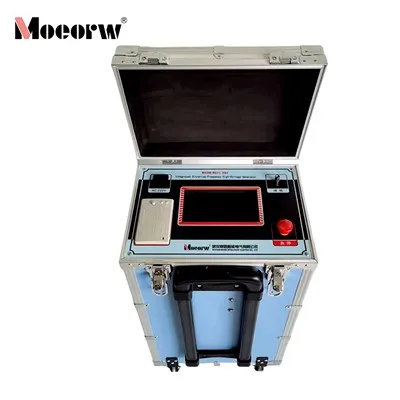
In conclusion, our Transformer Oil BDV Testers are capable of measuring the BDV of oil in transformers with different insulation materials. Whether your transformer uses mineral oil, synthetic oil, or natural esters, our testers can provide accurate and reliable BDV measurements. However, it’s important to consider the factors that can affect the BDV measurement, such as contaminants, moisture, and temperature, to ensure the accuracy of the results.
Generator Testing Equipment If you’re interested in purchasing our Transformer Oil BDV Testers or have any questions about their compatibility with specific insulation materials, please don’t hesitate to contact us for a detailed discussion. We’re here to help you find the best solution for your transformer oil testing needs.
References
- International Electrotechnical Commission (IEC). IEC 60156: Insulating liquids – Determination of the breakdown voltage at power frequency.
- American Society for Testing and Materials (ASTM). ASTM D877: Standard Test Method for Dielectric Breakdown Voltage of Insulating Liquids Using Disk Electrodes.
- IEEE Std C57.106: IEEE Guide for Acceptance and Maintenance of Insulating Oils in Electrical Apparatus.
Wuhan Moen Intelligent Electric Co., Ltd.
As one of the most professional transformer oil bdv tester manufacturers in China, we’re featured by quality products and good price. Please rest assured to buy high quality transformer oil bdv tester in stock here and get quotation from our factory. Customized orders are welcome.
Address: Building A, No.1, Fenghuangyuan 2nd Road, Donghu New Technology Development Zone, Wuhan, Hubei, China
E-mail: info@hvhipotsystem.com
WebSite: https://www.hvhipotsystem.com/
