Hey there! As a supplier of flat embroidery patches, I’ve always been fascinated by the rich tapestry of cultures and how these little patches fit into the bigger picture. So, I thought I’d take a deep dive into the significance of flat embroidery patches in certain cultures. Flat Embroidery Patch
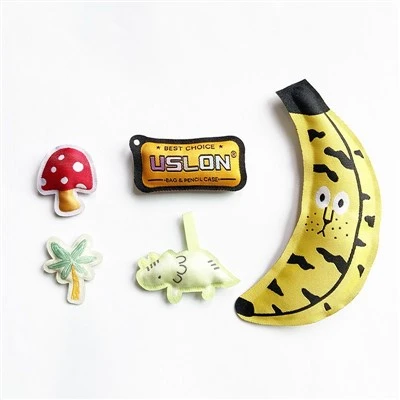
Let’s start with the Native American culture. In Native American tribes, embroidery and beadwork were not just decorative arts; they were a way of storytelling. Flat embroidery patches often featured symbols that represented important aspects of the tribe’s history, beliefs, and values. For instance, the thunderbird symbol was commonly used. It was a powerful and sacred creature in many Native American cultures, representing strength, protection, and the power of the sky. These patches were sewn onto clothing, moccasins, and even tipi covers. They were a way for tribe members to show their identity, pride, and connection to their heritage.
I remember once talking to a Native American artist who was using our flat embroidery patches to create modern – day pieces inspired by traditional designs. He told me that these patches were a bridge between the old and the new. They allowed him to preserve the traditional symbols and techniques while also making them accessible to a wider audience. It’s amazing how something as simple as a patch can carry so much cultural weight.
Moving on to the military culture. Military uniforms are adorned with flat embroidery patches for a variety of reasons. First and foremost, they are a form of identification. Each branch of the military, each unit, and even different ranks have their own unique patches. For example, a soldier in the Army might have a patch on their sleeve that shows their division. This helps other soldiers quickly identify their comrades and understand their roles within the military structure.
But it’s not just about identification. These patches also represent honor, achievement, and loyalty. A soldier who has completed a special mission or received a medal might have a patch to commemorate that event. It’s a visible way to show their dedication and sacrifice. I’ve had the privilege of working with military suppliers, and they always stress the importance of getting the details of these patches just right. Every stitch, every color, and every symbol has a specific meaning, and it’s our job to make sure those details are accurately represented in the patches we supply.
In the biker culture, flat embroidery patches are like badges of honor. Bikers often wear patches on their leather jackets to show their allegiance to a particular club or gang. These patches can feature the club’s name, logo, or a symbol that represents the group’s values. For example, a biker club that values freedom and adventure might have a patch with an image of a motorcycle speeding across an open road.
These patches are also a way for bikers to express their individuality within the group. Some bikers might customize their patches with additional embroidery or add patches from other clubs they’ve visited. It’s a form of self – expression and a way to build a sense of community. I’ve heard stories from biker customers who say that their patches are like a second skin. They carry the history and the spirit of the biker culture with them wherever they go.
Now, let’s talk about the punk culture. In the punk scene, flat embroidery patches are a form of rebellion and self – expression. Punks use patches to decorate their jackets, vests, and bags with anti – establishment messages, political statements, and images of punk rock bands. These patches are often brightly colored and feature bold, edgy designs.
For punks, these patches are a way to stand out from the mainstream and show their rejection of traditional values. They can be a form of protest against social injustice, war, or corporate greed. I’ve seen some really creative designs from punk customers. One customer sent us a design of a skull with a peace sign in its eye socket. It was a powerful statement about the desire for peace in a violent world.
In Asian cultures, especially in countries like Japan and China, embroidery has a long and rich history. In Japan, for example, traditional embroidery techniques like sashiko were used for both practical and decorative purposes. Sashiko embroidery was originally used to reinforce clothing and make it more durable. Over time, it became an art form, and flat embroidery patches inspired by sashiko designs are now popular. These patches often feature geometric patterns, which are not only aesthetically pleasing but also have symbolic meanings. For example, a square might represent stability, while a circle could symbolize unity.
In China, embroidery has been a part of the culture for thousands of years. The four famous Chinese embroideries – Su embroidery, Xiang embroidery, Yue embroidery, and Shu embroidery – are known for their exquisite craftsmanship. Flat embroidery patches inspired by Chinese embroidery often feature images of flowers, birds, and dragons, which are important symbols in Chinese culture. Flowers like the peony represent wealth and honor, while dragons are symbols of power and good luck.
As a flat embroidery patch supplier, I’ve seen firsthand how these patches can bring cultures together. We’ve had customers from all over the world, each with their own unique cultural background and design ideas. It’s amazing to see how a simple patch can be a way for people to connect with their heritage, express their identity, and share their stories.
If you’re interested in learning more about flat embroidery patches or if you have a specific design in mind for your cultural project, whether it’s for a military uniform, a biker jacket, or a piece of traditional clothing, I’d love to hear from you. We can work together to create the perfect patch that meets your needs and captures the essence of your culture. Just reach out, and let’s start the conversation about bringing your ideas to life.
Woven Label References
- Brown, J. (2015). Native American Art and Symbolism. New York: Art Press.
- Smith, R. (2017). Military Insignia: A Historical Overview. London: Military History Publishers.
- Johnson, M. (2019). The Culture of Biking. San Francisco: Biking Culture Books.
- Lee, K. (2020). Asian Embroidery: Techniques and Traditions. Tokyo: Asian Art Publications.
- Green, S. (2021). Punk Culture and Self – Expression. Berlin: Punk Studies Press.
Yiwu Lanying Garment Accessories Co., Ltd.
As one of the most professional flat embroidery patch manufacturers and suppliers in China, we’re featured by quality products and good service. Please rest assured to wholesale premium flat embroidery patch at competitive price from our factory. Customized orders are welcome.
Address: F1,NO.448, Majiaotang Village, Houzhai Street, Yiwu City, Zhejiang Province, China 322000
E-mail: zhangchunyingzi@126.com
WebSite: https://www.embroideredpatchfactory.com/
