Sports cars are not just about speed and sleek design; they are engineering marvels where every component plays a crucial role in performance, safety, and aesthetics. Among these components, the bumper system stands out as a vital part that combines functionality and style. As a bumper systems supplier with years of experience in the automotive industry, I am excited to delve into the unique features that set sports car bumper systems apart from those of regular vehicles. Bumper Systems
Aerodynamic Efficiency
One of the most distinctive features of sports car bumper systems is their focus on aerodynamics. Unlike standard cars, sports cars are designed to cut through the air with minimal resistance, allowing them to achieve higher speeds and better fuel efficiency. The front bumper of a sports car often features a low – profile design with integrated air dams and splitters. These elements work together to manage the airflow around the car.
The air dam, typically located at the bottom of the front bumper, redirects the air under the vehicle. By doing so, it reduces the amount of air that gets trapped beneath the car, which in turn decreases drag. Additionally, air dams can also help to cool the engine and brakes by channeling air towards these components.
Splitters, on the other hand, are horizontal extensions at the front of the bumper. They create a pressure differential between the air flowing above and below the splitter. The higher – pressure air above the splitter pushes the front of the car down, increasing traction and stability at high speeds. This is especially important during cornering and braking, as it helps the tires maintain better contact with the road surface.
At the rear, sports car bumpers may incorporate spoilers or diffusers. Spoilers are designed to disrupt the airflow behind the car, reducing lift and increasing downforce. This further enhances the car’s stability and handling at high velocities. Diffusers work by accelerating the airflow under the car, creating a low – pressure area that sucks the car towards the road. This also contributes to improved traction and handling.
Impact Resistance and Safety
Safety is a top priority in sports cars, and bumper systems play a significant role in protecting the vehicle and its occupants. Sports car bumpers are engineered to withstand high – impact collisions better than regular bumpers. They are often made from advanced materials such as carbon fiber, fiberglass, or high – strength plastics.
Carbon fiber is a popular choice for sports car bumpers due to its exceptional strength – to – weight ratio. It is incredibly strong, yet lightweight, which is beneficial for a sports car’s performance. The lightweight nature of carbon fiber helps to reduce the overall weight of the car, improving acceleration, braking, and handling. At the same time, its high strength allows it to absorb and dissipate energy during a collision, protecting the car’s structure and the passengers inside.
Fiberglass is another material commonly used in sports car bumpers. It is relatively inexpensive compared to carbon fiber and can be molded into complex shapes. Fiberglass bumpers can provide good impact resistance and are often used in entry – level sports cars or for aftermarket bumper replacements.
High – strength plastics are also widely used in sports car bumper systems. These plastics are designed to be tough and flexible, allowing them to absorb energy during a low – speed collision and then return to their original shape. This reduces the damage to the bumper and the overall repair costs.
In addition to the materials, sports car bumper systems may also incorporate energy – absorbing structures such as crush zones. These are designed to deform in a controlled manner during a collision, absorbing the energy and reducing the impact force transferred to the car’s occupants.
Aesthetic Appeal
Sports cars are known for their eye – catching looks, and the bumper system is a key element in enhancing their aesthetic appeal. Bumper designs in sports cars are often bold and aggressive, reflecting the car’s high – performance nature.
The shapes and contours of sports car bumpers are carefully crafted to complement the car’s overall design language. Sharp edges, angular lines, and unique cutouts are commonly used to create a sense of motion and speed even when the car is stationary. The use of large air intakes and vents in the bumpers not only serves a functional purpose but also adds to the car’s visual drama.
Some sports car bumpers are also designed with a removable or modular design. This allows owners to customize their cars and change the look of the bumpers according to their preferences. Aftermarket bumper kits are available in a wide range of styles, from more subtle upgrades to extreme and race – inspired designs.
Integration with Other Systems
Sports car bumper systems are not standalone components; they are integrated with other systems in the vehicle to enhance performance and safety. For example, many sports cars are equipped with parking sensors and cameras that are integrated into the bumpers. These sensors and cameras help the driver to park the car safely and avoid obstacles.
In addition, modern sports cars may feature advanced driver – assistance systems (ADAS) such as collision avoidance systems, adaptive cruise control, and lane – keeping assist. These systems often use sensors and radars that are mounted in the bumpers. The bumper design must be carefully considered to ensure that these sensors can operate effectively without interference from the bumper structure.
Reliability and Durability
As a sports car bumper systems supplier, we understand the importance of reliability and durability. Sports cars are often driven hard, and their bumpers are exposed to a variety of harsh conditions, including high – speed winds, road debris, and temperature variations.
Our bumper systems are rigorously tested in a variety of environments to ensure that they can withstand these conditions. We use advanced manufacturing techniques and quality control processes to ensure that each bumper meets the highest standards of quality and performance.
In addition, we offer a range of finishes and coatings for our bumper systems to protect them from scratches, corrosion, and UV damage. This helps to extend the life of the bumpers and keep them looking great for years to come.
Conclusion
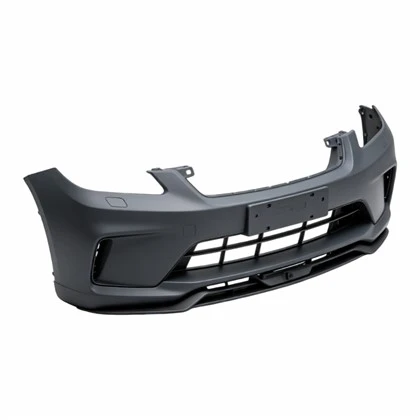
In conclusion, sports car bumper systems are a unique blend of aerodynamics, safety, aesthetics, and integration. They are designed to enhance the performance, safety, and visual appeal of sports cars. As a leading bumper systems supplier, we are committed to providing high – quality, innovative bumper solutions for sports car manufacturers and enthusiasts.
Car Interior Components If you are in the market for sports car bumper systems, whether you are a car manufacturer looking for OEM solutions or an individual enthusiast looking to customize your car, we would be delighted to discuss your requirements. Our team of experts can provide you with personalized advice and solutions tailored to your specific needs. Don’t hesitate to reach out to us to start a conversation about how our bumper systems can take your sports car to the next level.
References
- Banovic, N., & Hussein, A. K. (2018). Aerodynamics in automotive design: Overview. Applied Sciences, 8(2), 254.
- Dietz, H., & Hauer, F. (2015). Design and testing of automotive bumpers. SAE International Journal of Passenger Cars – Mechanical Systems, 8(1), 1 – 9.
- Mallick, P. K. (2007). Fiber – Reinforced Composites: Materials, Manufacturing, and Design. CRC Press.
Hebei Xiujie Auto Parts Co., Ltd.
As one of the most professional bumper systems manufacturers and suppliers in China, we have world-leading production equipment and strong manufacturing capabilities. Please feel free to wholesale bulk customized bumper systems from our factory. Contact us for quotation and free sample.
Address: Industrial New Area, Wen’an County, Langfang City, Hebei Province (State-run Xiaowu Farm)
E-mail: runtaoli87@gmail.com
WebSite: https://www.xiujie-cn.com/
