In the dynamic world of industrial components, the rubber-metal composite valve core stands as a remarkable innovation. As a trusted supplier of high-quality rubber-metal composite valve cores, I’ve witnessed firsthand the diverse and critical roles these components play across multiple industries. In this blog, I’ll delve into the functions of rubber-metal composite valve cores, exploring their significance, unique features, and real-world applications. Rubber-metal Composite Valve Core
1. Fundamental Structural Characteristics
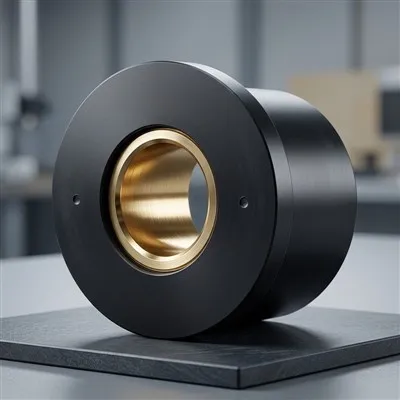
Before discussing the functions, it’s essential to understand the basic structure of a rubber-metal composite valve core. It consists of two main materials: rubber and metal. The metal part, usually made of steel or other alloys, provides the valve core with the necessary mechanical strength and dimensional stability. The rubber component, on the other hand, is carefully selected for its elastomeric properties. It can be made from various rubber compounds such as nitrile rubber (NBR), fluorocarbon rubber (FKM), or ethylene-propylene-diene monomer (EPDM), depending on the specific application requirements.
The combination of these two materials is achieved through advanced manufacturing processes like vulcanization, which bonds the rubber firmly to the metal surface. This integration results in a hybrid structure that combines the best of both worlds: the rigidity of metal and the flexibility and sealing capabilities of rubber.
2. Sealing Function
One of the primary functions of a rubber-metal composite valve core is to provide an effective seal. In fluid control systems, whether it’s in hydraulic machinery, pneumatic equipment, or automotive engines, preventing leakage is of utmost importance. The rubber part of the valve core plays a crucial role in this regard.
When the valve is closed, the rubber component deforms under pressure, filling any irregularities or gaps between the valve seat and the valve core. This creates a tight seal that prevents the fluid (liquid or gas) from flowing through. The elastomeric nature of rubber allows it to adapt to different surface conditions and maintain a reliable seal over a wide range of pressures and temperatures.
For example, in automotive fuel injection systems, rubber-metal composite valve cores ensure that fuel is precisely delivered to the engine cylinders without any leakage. Even under high-pressure conditions, the rubber seal remains effective, contributing to the efficient and reliable operation of the engine.
3. Flow Control Function
Another important function of a rubber-metal composite valve core is to control the flow of fluids. By adjusting the position of the valve core, the cross-sectional area of the flow path can be altered, thereby regulating the flow rate of the fluid.
In industrial pipelines, these valve cores are used in flow control valves to manage the transfer of various fluids such as water, oil, and chemicals. The metal part of the valve core provides the structural support for precise movement, while the rubber ensures a smooth and leak-free operation during the flow adjustment process.
In a water treatment plant, for instance, rubber-metal composite valve cores are installed in control valves to adjust the flow rate of water through different treatment stages. This allows operators to optimize the treatment process and ensure the quality of the treated water.
4. Pressure Regulation Function
Rubber-metal composite valve cores also play a vital role in pressure regulation. In systems where maintaining a stable pressure is critical, such as in steam boilers or compressed air systems, these valve cores are used in pressure relief valves and pressure regulators.
When the pressure in the system exceeds a certain set value, the valve core moves to open the valve, allowing some of the fluid to escape and reducing the pressure. The rubber component helps in providing a gradual and controlled opening and closing action, preventing sudden pressure spikes or drops that could damage the system.
In a compressed air system, a rubber-metal composite valve core in a pressure regulator ensures that the air pressure supplied to the pneumatic tools remains constant, regardless of fluctuations in the source pressure. This not only improves the performance of the tools but also extends their service life.
5. Shock Absorption and Noise Reduction Function
The rubber part of the composite valve core can also act as a shock absorber and noise reducer. In systems where there are rapid changes in fluid flow or pressure, such as in hydraulic circuits, the movement of the valve core can generate vibrations and noise.
The rubber component absorbs the energy from these vibrations, reducing their impact on the surrounding components and the overall system. This helps in preventing premature wear and tear of the valves and other related parts, as well as reducing the noise level in the working environment.
For example, in a large-scale industrial hydraulic press, the rubber-metal composite valve core helps to dampen the shock waves generated when the press operates, resulting in a smoother and quieter operation.
6. Resistance to Corrosion and Wear
In many industrial applications, valve cores are exposed to harsh environments, including corrosive chemicals, high temperatures, and abrasive particles. The rubber-metal composite valve core offers excellent resistance to corrosion and wear, ensuring a long service life.
The rubber material can be selected for its chemical resistance properties, protecting the metal part from corrosion caused by contact with corrosive fluids. Additionally, the rubber’s ability to withstand abrasion helps to prevent wear on the valve core surface, even when it comes into contact with abrasive particles in the fluid.
In the chemical processing industry, where valves are frequently exposed to strong acids and alkalis, rubber-metal composite valve cores made from corrosion-resistant rubber compounds and high-quality metals provide reliable performance over an extended period.
7. Real – World Applications
The functions of rubber-metal composite valve cores make them indispensable in a wide range of industries.
- Automotive Industry: As mentioned earlier, they are used in fuel injection systems, engine cooling systems, and brake systems. Their precise flow control and sealing functions contribute to the overall performance and safety of vehicles.
- Aerospace Industry: In aircraft hydraulic and pneumatic systems, where reliability and high performance are crucial, rubber-metal composite valve cores ensure the proper functioning of flight control actuators, landing gear systems, and other critical components.
- Industrial Manufacturing: In manufacturing plants, these valve cores are used in hydraulic machinery, pneumatic tools, and chemical processing equipment. They help to maintain smooth production processes and ensure the quality of the manufactured products.
- Marine Industry: On ships, rubber-metal composite valve cores are used in seawater intake systems, fuel transfer systems, and engine cooling systems. Their resistance to corrosion in the harsh marine environment is particularly valuable.
8. Why Choose Our Rubber – Metal Composite Valve Cores
As a supplier, we understand the importance of providing high-quality products that meet the diverse needs of our customers. Our rubber-metal composite valve cores are manufactured using state-of-the-art technology and strict quality control measures.
We offer a wide range of valve core designs and rubber compounds to suit different applications. Whether you need a valve core for high-pressure hydraulic systems or a corrosion-resistant valve core for chemical processing, we have the expertise and resources to provide the right solution.
Our team of experienced engineers and technicians is always ready to provide technical support and customized solutions. We work closely with our customers to understand their specific requirements and develop products that exceed their expectations.
9. Conclusion and Call to Action
In conclusion, the rubber-metal composite valve core is a multi-functional component that plays a critical role in various industries. Its sealing, flow control, pressure regulation, shock absorption, and corrosion resistance functions make it an essential part of many fluid control systems.
If you are in need of high-quality rubber-metal composite valve cores for your industrial applications, we would be delighted to assist you. Our extensive experience and commitment to excellence ensure that you will receive products of the highest quality and reliability.
Rubber-metal Composite Valve Core Contact us today to discuss your specific requirements and let’s start a productive partnership.
References
- "Handbook of Valves and Pipe Fittings"
- "Fluid Mechanics and Machinery"
- "Industrial Rubber Products: Design and Applications"
Tianjin TGE BIAM Graphene Technology Co., Ltd.
Tianjin TGE BIAM Graphene Technology Co., Ltd. is one of the most professional rubber-metal composite valve core manufacturers and suppliers in China, also supports customized service. Please feel free to buy bulk advanced rubber-metal composite valve core in stock here from our factory. For quotation, contact us now.
Address: No. 24 Sanjing Road, Dongli Development Zone, Tianjin City, China.
E-mail: sales@tge-tj.com
WebSite: https://www.tge-valve.com/
