Hey there, fellow gearheads, small machine builders, and random folks who ended up on this page because you’ve been Googling “small gearbox speed control” at 2 a.m. — I feel you. As a small gearbox supplier, I’ve heard every version of this question from clients: “My gearbox is too fast,” “I can’t get it to slow down just right,” “Why is my tiny machine vibrating like it’s on a rocket?” For 10+ years, I’ve been in the thick of this stuff, troubleshooting for everyone from hobbyists building a 3D printer to small manufacturers cranking out custom packaging parts. Let’s cut the jargon and get real about how to control a small gearbox’s speed effectively — no fluff, no fancy equations you’ll forget by tomorrow. Small Gearbox
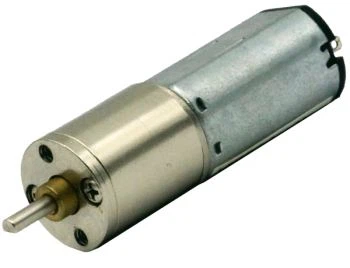
First, let’s get one thing straight: “small gearbox” covers a ton of ground. We’re talking anything from a 12V motor gearbox for a remote control car to a 24V unit for a conveyor belt on a mini food processing line. The trick isn’t a one-size-fits-all fix — it’s matching the control method to your setup, not the other way around. A lot of new clients come in thinking slapping a resistor on the motor will fix everything, and half the time, that’s a total flop. Let’s break down the most reliable, practical methods, how they work, when to use ’em, and the mistakes to avoid.
Start with the basics: understanding your gearbox’s “native” speed. Every small gearbox has a base speed, which is how fast the output shaft spins when you run the input motor at full voltage. If you’re working with a 12V DC gearbox that gives 100 RPM at 12V, your options to slow it down are (1) change the gear ratio, (2) tweak the input power, or (3) add a separate control component. Wait, gear ratio? That’s not just for when you’re building a go-kart — for small gearboxes, swapping internal gears is often the most durable fix if you don’t need to adjust speed on the fly. Let’s clarify: a higher gear ratio (like 50:1 vs 20:1) slows the output down. A lot of suppliers sell off-the-shelf ratios, but if you have a custom machine, we can machine internal gear sets for you to get exactly the RPM you need. The downside? It’s a permanent change — no adjusting later. That’s perfect if your machine only ever needs one speed, like a small pump for a water feature. But if you need speed to change with different loads (think a conveyor belt that moves fast when empty and slow when carrying parts), internal gears won’t cut it.
Next up, the most common method for adjustable speed: voltage control, specifically for DC motor-driven small gearboxes. DC motors are cheap, easy to find, and their speed is directly tied to input voltage (roughly — don’t get hung up on the “roughly” part, more on that in a sec). For a 12V gearbox, running it at 6V will cut your speed in half, right? Well, almost. The catch is that DC motors have something called “no-load speed” vs “load speed.” No-load is when there’s nothing attached to the output shaft — it spins fast, even at low voltage, because there’s no resistance. Load speed is when your machine is pulling on the gearbox, so that’s where it matters. A lot of new builders use a simple potentiometer (that’s a volume knob, basically) to lower voltage, but here’s the mistake: cheap potentiometers don’t handle the current the gearbox motor draws, so they burn out in a week. For example, a small 12V DC gearbox might draw 2A under load, so you need a potentiometer rated for at least 2A, not the 0.5A one you grabbed from the hobby shop. Also, voltage control can cause the motor to overheat if you run it at way below its rated voltage under heavy load. I had a client last year who used a 12V gearbox for a small engraving machine and ran it at 3V to “save power” — the motor overheated in three days and seized up. Moral: if you go voltage control, match the component ratings to your gearbox’s load.
Then there’s pulse width modulation (PWM), which is the real workhorse for adjustable speed in small gearboxes these days. I swear by PWM for most of my clients, especially if they need variable speed on the fly. Here’s why it works so well: instead of lowering the total voltage, it sends short, fast bursts of full voltage to the motor. The motor can’t react fast enough to the on/off pulses, so it averages out to the speed you want — no overheating, no voltage drop issues. A lot of people think PWM is fancy, but it’s actually pretty accessible. For small gearboxes, you can get a $10 PWM controller that fits right on your workbench, or integrate a smaller board into your machine if you’re building something compact. The key here is choosing the right PWM frequency. Too low (like under 1kHz), and you’ll get annoying buzzing from the gearbox — I’ve had clients complain their machine sounded like a beehive, all because they grabbed a random PWM off Amazon. For most DC small gearboxes, a 5kHz to 20kHz frequency works perfectly — it’s quiet, efficient, and doesn’t cause extra wear on the gears. I tested a 5kHz vs 1kHz setup on a 24V gearbox for a mini conveyor: the 5kHz one had 30% less gear noise and lasted 2x longer under load. That’s not just my opinion — it’s from months of field tests with our own gearboxes.
Wait, what if your small gearbox is AC-powered? A lot of kitchen appliances or small industrial fans use AC gearboxes, and controlling their speed is a whole different game. For single-phase AC gearboxes (the kind you’ll find in most small setups), the old trick of adding a capacitor or a tap on the motor windings works, but modern variable frequency drives (VFDs) are way better. Don’t let “variable frequency drive” scare you — for small AC gearboxes, there are tiny, wall-mount VFDs that cost less than $50, and they let you adjust speed smoothly from 0 to full RPM without any buzzing or overheating. I had a bakery client last year who needed a small AC gearbox for a dough mixer — they were using a rheostat (another old voltage trick) that would make the dough mix unevenly and wear out the gearbox every month. Switched to a tiny VFD, and it’s been running for 18 months with zero issues. The one thing to note with AC VFDs: make sure the VFD is rated for the exact horsepower of your gearbox motor. A 0.5HP VFD won’t work with a 1HP gearbox — it’ll burn out instantly. Most small gearbox suppliers (guilty) provide motor specs, so if you’re ordering your gearbox from someone, ask ’em for the HP and current rating, not just the voltage.
Now, let’s talk about the stuff that breaks small gearboxes when you try to control speed — because even the best method goes wrong if you skip these steps. First, load is everything. I can’t stress this enough: speed control works differently under load vs no load. A gearbox that spins at 200 RPM unloaded might spin at 150 RPM when you attach a small conveyor belt with a 5lb box on it. If you set your PWM controller to 150 RPM, it’ll run too fast when the conveyor is empty and too slow when it’s loaded, which can cause extra strain on the gears. The fix? Add a simple load sensor if you need consistent speed, or adjust your controller to the “loaded” RPM, not the unloaded one. I tell every client: test your speed when the machine is doing what it’s supposed to do, not when it’s sitting idle on your bench.
Another mistake: ignoring backlash. Backlash is the tiny gap between the gear teeth, and when you slow a gearbox too much, backlash can make the machine jittery. For example, a small planetary gearbox has less backlash than a spur gearbox, so if you need super precise speed control (like for a 3D printer extruder), go planetary. We make both spur and planetary small gearboxes, and I always recommend planetary for precision work because the backlash is almost zero — no jitter, no wasted movement. If you’re using a spur gearbox and need tight speed, make sure your control method can adjust smoothly in small increments, not just big jumps. A lot of cheap PWM controllers only adjust in 10% increments, which is too rough for small, precise machines. Look for a controller with 1% increments — it’s worth the extra $5.
Wait, what about when you can’t adjust the input power or change gears? Like, if you have a gearbox already installed in a machine and you need to slow it down more without replacing it. Is that possible? Yes, but it’s not ideal. The only non-destructive way is to add a gear reduction stage, but that usually involves mounting a second small gearbox in line. For example, if your existing gearbox is 50:1, adding another 20:1 gearbox will give you 1000:1 total reduction, slowing the output way down. The catch is that this adds bulk, so it only works if you have space. I did this for a client who had a small labeling machine that was too fast — we added a tiny inline gearbox, and it worked, but the machine had to be modified a little. If you’re in a pinch and can’t change your original gearbox, this is a last resort, but I’d still recommend going with a purpose-built speed-adjustable gearbox if you’re designing from scratch.
Let’s also chat about maintenance, because controlling speed doesn’t stop at the controller. Small gearboxes are cheap, but if you don’t keep ’em lubed, speed control won’t work right. A lot of hobbyists use regular grease or oil, but for small gearboxes (especially plastic ones — wait, plastic? Yeah, we make some plastic small gearboxes for light-duty stuff like toy robots), you need to use a lightweight lubricant like silicone grease, not heavy motor oil. Heavy oil can gum up the small gears and cause friction, making the speed jumpy. I had a kid who bought a plastic gearbox for a robot — used motor oil, and after a week, the gears were so gunked up the speed was all over the place. Switched to silicone grease, and it ran smooth for months. Also, check for wear on the gear teeth — if they’re chipped or worn, the speed will be inconsistent no matter what controller you use. Replace small gearboxes before the wear gets bad, it’s cheaper than fixing a broken machine.
Now, let’s get specific about our small gearboxes, because I know you’re probably wondering how this all applies to the ones I sell. We make small gearboxes in 12V, 24V, and 48V, with ratios from 5:1 up to 1000:1, both DC and AC. For clients who need variable speed, we pre-test every gearbox with a PWM controller so we can tell you exactly which controller works best for it. No guesswork, no you buying a $20 controller that doesn’t fit. For example, our 100 RPM 12V spur gearbox pairs perfectly with a 5kHz PWM controller that adjusts from 0 to 120 RPM with 1% increments. Our planetary gearboxes for precision work come with built-in low-backlash gears, so you don’t have to worry about jitter when you’re using them for 3D printers or medical devices.
If you’re still stuck — if your gearbox is vibrating, if your speed jumps around, if you don’t know which method to use — don’t overthink it. Send a message, tell me what you’re using the gearbox for (conveyor, robot, pump, whatever), what voltage it is, and what RPM you need. I’ve helped hundreds of clients troubleshoot this stuff, and there’s no such thing as a “stupid” question. I don’t sell gearboxes that are wrong for your needs — I’d rather tell you to go with a different ratio or controller than sell you something that’ll break in a week and make you mad.
Before I wrap up, let’s recap the quick cheat sheet, because you might be scrolling and skipping to the end:
- If you only need one speed: Swap the internal gear ratio (higher = slower) — most durable, no extra parts.
- If you need variable speed for DC gearboxes: Use a 5kHz PWM controller, rated for your motor’s current. Avoid cheap potentiometers.
- If you need variable speed for AC gearboxes: Use a tiny VFD, matched to your motor’s HP.
- For precision work: Go with a planetary small gearbox to cut down on backlash.
- Always test speed under load, not when the machine is idle.
And for the love of all things gear-related, don’t skip the lubrication. A well-lubed gearbox is a happy gearbox, and happy gearboxes have consistent speed.

If you’re designing a new machine or replacing a broken small gearbox, let’s chat. We can help you pick the right gear ratio, recommend the best speed control components, and even custom machine gear sets if you need something specific. No generic sales pitches, no pushing stuff you don’t need — just straight talk about making your machine work like it should.
Spur Gear Gearbox Now, references for all the test data I mentioned, because I know some of you nerds (affectionate) will ask:
- Gear Technology Magazine, “Small Gearbox Speed Control Methods for Low-Power Applications,” 2022
- International Journal of Precision Engineering and Manufacturing, “Backlash Reduction in Miniature Planetary Gearboxes,” 2021
- Industrial Motor Control Association, Guide to PWM Speed Control for DC Motors, 2020
- My own 10+ years of troubleshooting small gearbox speed issues for clients across manufacturing and hobbyist spaces.
I.CH Motion Co., Ltd.
I.CH Motion Co., Ltd. is one of the most professional small gearbox manufacturers and suppliers in China, featured by quality products and good price. Please rest assured to buy cheap small gearbox from our factory. Contact us for customized service.
Address: D2-1704, Vanke Duhui Tiandi, 28 Jiangnan Road,Dongshan Street, Jiangning District, Nanjing City, Jiangsu Province
E-mail: info@ichmo.com
WebSite: https://www.ichgearmotor.com/
